Modernizing Indian Currency: The Strategic Shift Toward Polymer Banknotes
Modernizing Indian Currency: The Strategic Shift Toward Polymer Banknotes
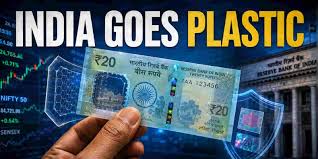
The Reserve Bank of India (RBI) is exploring advanced currency technologies to improve the durability, security, and efficiency of India’s cash management system. As part of this initiative, Bharatiya Reserve Bank Note Mudran Private Limited (BRBNMPL), the currency printing subsidiary of the RBI, has invited global Expressions of Interest (EoI) for the supply of polymer substrate sheets with embedded security features. This step indicates the possibility of introducing polymer banknotes through a pilot project, particularly for frequently used low-denomination currencies such as 10 and 20 notes.
The move comes at a time when India continues to witness a unique combination of rapid digital payment expansion and sustained demand for physical cash. While digital platforms have transformed the payment ecosystem, cash remains an important component of daily economic transactions, especially in rural areas and informal markets. Therefore, improving the quality, lifespan, and security of physical currency remains a significant policy priority.
Polymer banknotes represent a technological shift from traditional cotton-rag paper-based currency. Countries across the world have adopted this technology due to its ability to withstand physical damage, reduce replacement costs, and provide advanced security against counterfeiting.
Understanding Polymer Banknotes: Technology and Global Experience
Polymer banknotes are manufactured using a specialised plastic film known as Biaxially Oriented Polypropylene (BOPP) instead of conventional cotton-based paper. The polymer substrate creates a non-porous surface that prevents absorption of moisture, dirt, sweat, and oil. This property allows the notes to remain cleaner and stronger even after extensive circulation.
Unlike traditional paper currency, polymer notes are more resistant to tearing, folding, and environmental damage. These characteristics make them particularly suitable for countries with high temperatures, humidity, and frequent cash usage.
Globally, polymer currency is not a new experiment. More than 60 countries have adopted polymer banknotes either partially or completely. The Reserve Bank of Australia pioneered polymer currency adoption in the late 1980s, after which several countries introduced similar systems. Nations such as Canada, the United Kingdom, and Singapore have also incorporated polymer technology into their currency management frameworks.
The growing global acceptance of polymer notes highlights their potential advantages in terms of durability, security, and cost efficiency over the entire lifecycle of currency.
Economic Rationale: Durability, Costs and India’s Cash Landscape
The transition towards polymer banknotes requires balancing higher initial production costs with long-term economic benefits. Traditional paper notes, particularly low-denomination currencies like 10 and 20, experience rapid deterioration due to frequent circulation. They often become damaged, dirty, or unsuitable for further use, requiring regular replacement.
One of the biggest advantages of polymer currency is its extended lifespan. Studies suggest that polymer banknotes can last 2.5 to 4 times longer than conventional paper notes. This reduces the frequency of printing new currency and lowers associated expenses such as transportation, storage, sorting, and disposal.
However, polymer banknotes involve higher initial manufacturing costs. The production process requires specialised materials, advanced printing technology, and sophisticated security features. Estimates suggest that polymer currency can cost around 30% to 60% more than traditional paper currency during the initial production stage.
Despite the rapid expansion of digital payments, India continues to maintain a strong demand for physical currency. Currency in circulation has crossed 41 lakh crore, while the Currency-to-Gross Domestic Product (GDP) ratio remains above 12%. At the same time, the Unified Payments Interface (UPI) processes more than 24,000 crore transactions annually, demonstrating that digital payments and cash are developing simultaneously rather than replacing each other completely.
Therefore, improving the efficiency of physical currency management remains relevant for India’s financial ecosystem.
Advantages of Polymer Banknotes: Security, Sustainability and Efficiency
The introduction of polymer currency offers several strategic benefits for India. The most significant advantage is its improved durability. Since polymer substrates do not absorb water, oil, or dirt, notes remain usable for a longer period even under harsh conditions. This is particularly valuable in India, where currency notes frequently circulate through markets, transport systems, and informal sectors.
A longer circulation life can significantly reduce the operational burden on the RBI and other banking institutions. Fewer replacements mean lower expenditure on printing, transportation, sorting, and destruction of damaged notes. Over time, these savings can compensate for the higher initial production costs.
Another major advantage is enhanced security against counterfeiting. Polymer substrates allow the integration of advanced security features that are difficult to replicate. These include transparent windows, colour-shifting inks, metallic security elements, and embedded shadow images. Such features strengthen public trust and improve the overall security of the currency system.
Polymer notes also offer environmental benefits. Although their production initially requires more resources, their longer lifespan reduces the number of replacement cycles. This leads to lower consumption of raw materials, reduced transportation requirements, and less waste generation over the currency lifecycle.
Challenges in Large-Scale Adoption of Polymer Currency
Despite its advantages, large-scale adoption of polymer banknotes presents several challenges. The first challenge is the higher upfront cost of production. Polymer substrates require specialised manufacturing facilities and advanced printing infrastructure, increasing the initial financial burden.
Another concern is dependence on petrochemical resources. Since polypropylene is derived from petroleum, fluctuations in global crude oil prices can affect production costs. India’s dependence on imported polypropylene also creates vulnerability to international supply disruptions. Currently, India imports around 20% of its polypropylene requirements, highlighting the need to strengthen domestic manufacturing capabilities.
Infrastructure adjustment is another important challenge. Existing currency-handling systems, including Automated Teller Machines (ATMs), currency sorting machines, and cash vending equipment, are designed primarily for paper notes. Polymer notes have different physical properties such as thickness, flexibility, and friction characteristics, requiring technological modifications.
Additionally, the growing popularity of digital payment systems and the introduction of the Central Bank Digital Currency (e-Rupee) raise questions about future demand for physical currency. India will need to maintain a balanced approach by improving cash systems while continuing digital transformation.
Roadmap for Successful Implementation
A phased and carefully evaluated approach will be essential for successful adoption of polymer banknotes in India. The proposed pilot rollout of 10 and 20 notes should cover diverse geographical regions to assess performance under different climatic conditions.
Testing polymer notes in humid coastal areas, dry regions, and high-circulation urban markets will provide valuable insights regarding durability, public acceptance, and compatibility with existing banking infrastructure.
Alongside pilot testing, India should focus on developing domestic manufacturing capacity for polymer substrates. Expanding polypropylene production and encouraging local production of currency materials can reduce import dependence and improve supply security.
A strong recycling framework should also be developed for retired polymer notes. Since polymer materials can be recycled into industrial products, establishing a circular recycling system can reduce environmental impact and support sustainable resource management.
Finally, polymer currency adoption should be integrated with India’s broader financial strategy. Physical cash and digital payments should complement each other, ensuring efficient currency distribution while promoting technological advancement.
Conclusion
The RBI’s initiative to explore polymer banknotes marks an important step towards modernising India’s currency management system. Although higher costs, infrastructure adjustments, and raw material challenges remain, the benefits of longer lifespan, stronger security, and reduced lifecycle impact make polymer currency a promising option. Through phased adoption, domestic manufacturing, and integration with digital payments, India can build a secure, sustainable, and efficient currency ecosystem for the future.